
What Is ICSI (IntraCytoplasmic Sperm Injection)?

Expect
The success rate of ICSI treatment ranges from 30%-40% with greater probability of success in younger women. The reasons for an unsuccessful result would generally include low sperm quality, unavailability of good eggs, problems concerning development of embryo, chromosome related problems, and improper blood flow to the womb.
Building the future of beautiful family
At aeva Fertility Hospital, our experienced and compassionate fertility specialists give you the care and confidence you need to make your dreams of building a family come true.
ICSI Procedure
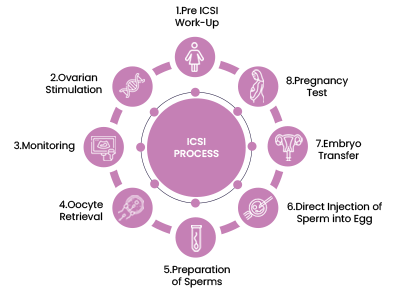
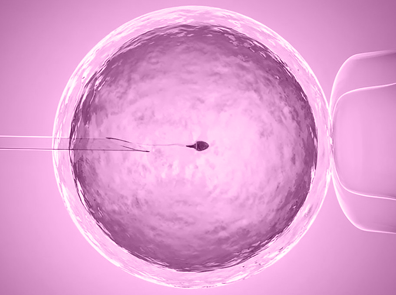
The ovaries are first stimulated under the vigilance of our experts to extract healthy eggs. The semen collected is washed and sperm that is the healthiest & fittest to be used for fertilization is identified. Using micro equipment, the selected sperm is directly injected into the egg for embryo formation. The embryo will take 3-5 days to develop properly which will then be transferred into the women’s uterus.
Faqs
What is ICSI (Intracytoplasmic Sperm Injection)?
ICSI is an advanced fertility treatment performed as part of IVF, where a single healthy sperm is directly injected into a mature egg to achieve fertilization. It is commonly recommended for couples experiencing male infertility or previous fertilization failure with conventional IVF.
Who is a suitable candidate for ICSI treatment?
ICSI is often recommended for men with low sperm count, poor sperm motility, abnormal sperm shape, blocked reproductive ducts, or when sperm has been surgically retrieved. It may also be advised for couples who have experienced unsuccessful IVF fertilization in previous cycles.
What is the difference between IVF and ICSI?
In conventional IVF, eggs and sperm are placed together in a laboratory dish, allowing fertilization to occur naturally. In ICSI, an embryologist injects a single sperm directly into the egg, making it a preferred option when male-factor infertility is present or fertilization is less likely to occur naturally.
What is the success rate of ICSI?
The success of ICSI depends on several factors, including the woman’s age, egg quality, sperm quality, and overall reproductive health. While ICSI improves the chances of fertilization in many couples with male infertility, pregnancy outcomes also depend on embryo development and successful implantation.
Is ICSI a safe procedure?
Yes. ICSI is a well-established and widely used assisted reproductive technique performed by experienced embryologists. It is generally considered safe, although, like any fertility treatment, there are some risks that your fertility specialist will discuss before starting treatment.
Are you in some Crises?
Get a New Life Today at… aeva
Our Team of Professionals has the Expertise to Help