
What is a Hysterosalpingogram (HSG)?
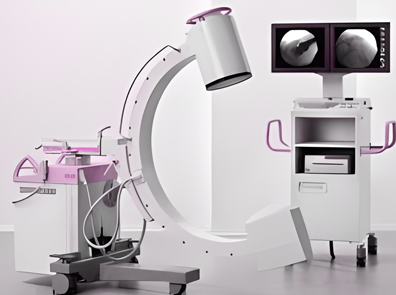
HSG is a simple diagnostic X-ray that is done by our fertility specialists with an objective to probe into female infertility issues. This is done to verify whether both fallopian tubes are patent (open) and the uterine cavity has a proper shape.
Building the future of beautiful family
At aeva Fertility Hospital, our experienced and compassionate fertility specialists give you the care and confidence you need to make your dreams of building a family come true.
HSG Procedure
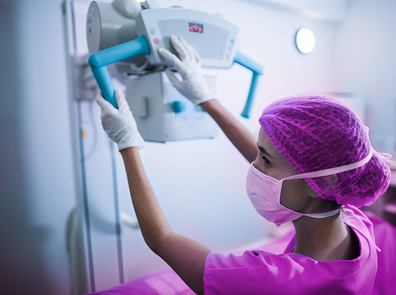
The entire procedure requires barely 30 minutes to conclude and the patient may leave as soon as our specialist evaluates that she is fit enough and does not need any further medical supervision. We have a separate day care unit to carry out the HSG and other similar medical investigations.
What to Expect?
Though the name of the procedure seems complicated, the procedure, however, does not bear any major complications. There are no serious side effects involved with the process other than abdominal cramps that generally subsides within few hours. However, if cramps continue, it is advised to seek for the doctor’s advice.
HSG is not a treatment that enhances the pregnancy but just an investigative procedure to identify the procedure that helps to identify the probable reasons behind a woman’s infertility.
Faqs
What is an HSG test?
A hysterosalpingogram (HSG) is an X-ray procedure used to examine the uterus and check whether the fallopian tubes are open. A contrast dye is introduced through the cervix during the test.
Why is HSG performed during a fertility evaluation?
HSG helps identify blocked fallopian tubes and certain abnormalities inside the uterus that may contribute to infertility or difficulty becoming pregnant.
Is an HSG test painful?
Some women experience cramping or discomfort during an HSG, particularly when the contrast dye is introduced. The level of discomfort varies from person to person.
When is the best time to have an HSG test?
HSG is generally scheduled after menstruation and before ovulation, when pregnancy is unlikely. Your fertility specialist will recommend the appropriate timing based on your menstrual cycle.
Can HSG detect blocked fallopian tubes?
Yes. One of the primary purposes of HSG is to determine whether the fallopian tubes are open or blocked and to assess the shape of the uterine cavity.
What should I expect after an HSG test?
Mild cramping and light spotting may occur after the procedure. Contact your doctor if you experience severe pain, heavy bleeding, fever, or other concerning symptoms.
Are you in some Crises?
Get a New Life Today at… aeva
Our Team of Professionals has the Expertise to Help