
What is Hysteroscopy?
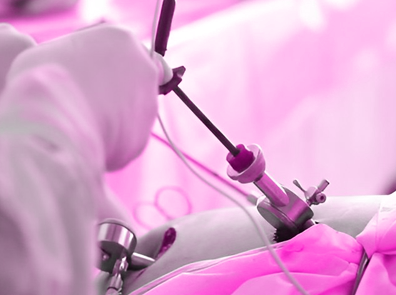
Hysteroscopy, in general, is the process to probe into a woman’s uterus to detect probable abnormalities like fibroid, polyps, adhesion or any congenital malformations.
Operative Hysteroscopy is a small & specific surgical process that may take place in addition to diagnostic hysteroscopy where the required surgical instruments are passed through the opening of the cervix to remove the fibroids, polyps or adhesions from within the uterus. This process may also be used for correcting structural abnormalities like the uterine septum.
Who Are Not Eligible For Hysteroscopy?
Hysteroscopy is not possible if a woman is,
- Pregnant
- On her menstrual period
- Having a vaginal or cervical infection
Building the future of beautiful family
At aeva Fertility Hospital, our experienced and compassionate fertility specialists give you the care and confidence you need to make your dreams of building a family come true.
Hysteroscopy Procedure
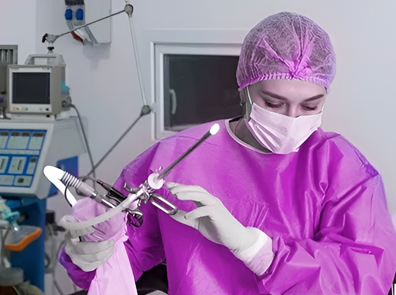
During the procedure, a thin lighted telescope (Hysteroscope) is passed through the vagina which reflects back the images showing the condition of the uterus on a screen.
Often the uterus cavity is filled up with a sterile fluid to help the doctor view the internal areas of the uterus clearly.
No skin incisions are required for the process. It is a day care process which may or may not require the use of anaesthesia.
What to Expect?
Our specialist might suggest for a hysteroscopy prior to certain Infertility treatments to examine the condition of the uterus and to detect the probable formation of fibroid, cysts or adhesion which may have prevented pregnancy. This process gives a comprehensive understanding of the problem and offers a proper direction for further treatment.
There is no greater risk associated with Hysteroscopy apart from the possible injury to internal organs or perforation of uterus where a small hole develops in the uterus. The hole often disappears spontaneously; however, sometime it may require a further surgery to fill it up. Some women experience vaginal discharge or bleeding along with occasional cramps after the process. These tend to disappear within few days. However, if these continue it is advised to see our doctor immediately.
Faqs
What is hysteroscopy?
Hysteroscopy is a minimally invasive procedure that allows a doctor to examine the inside of the uterus using a thin, lighted instrument called a hysteroscope.
Why is hysteroscopy performed for infertility?
Hysteroscopy may be recommended to identify abnormalities inside the uterus that could affect fertility or pregnancy, including polyps, fibroids, adhesions, or other structural problems.
Can hysteroscopy remove polyps or fibroids?
Yes. Operative hysteroscopy can be used to remove certain uterine polyps, fibroids, adhesions, and other abnormalities, depending on their size and location.
Is hysteroscopy painful?
The level of discomfort depends on the type of hysteroscopy and whether anesthesia or sedation is used. Some patients may experience cramping during or after the procedure.
How long does it take to recover from hysteroscopy?
Recovery depends on whether the procedure is diagnostic or involves treatment. Many patients recover relatively quickly, but your doctor will provide individual instructions based on the procedure performed.
Can I get pregnant after hysteroscopy?
Pregnancy may be possible after hysteroscopy, particularly when an abnormality affecting fertility has been identified and treated. Your fertility specialist will advise you when it is appropriate to try for pregnancy.
Are you in some Crises?
Get a New Life Today at… aeva
Our Team of Professionals has the Expertise to Help