
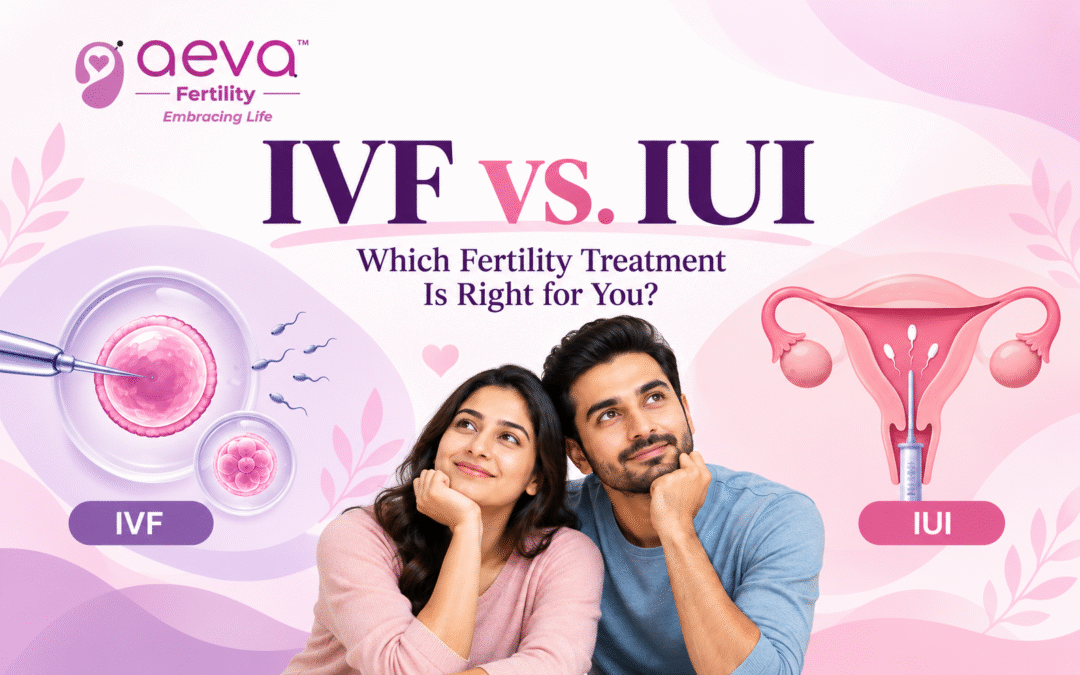
Fertility treatments can be challenging for couples who are struggling to have children. Some of the most successful treatments include Intrauterine Insemination, also known as IUI, and In Vitro Fertilization, also known as IVF. These treatments can help couples who are experiencing fertility problems.
Learning about the differences between IVF and IUI can help an individual discuss their options with a fertility specialist and make the best decision.
What IUI Insemination Is
IUI treatment is a procedure during which fertilization happens inside the womb. Throughout the process, the doctor inserts sperm into the uterus close to the ovulation timing. The procedure requires hormone medication for the eggs to mature and to be able to determine the best timing for insemination.
This method is effective and less invasive compared to egg retrieval methods such as IVF.
Couples who can consider using IUI insemination as a treatment for infertility are those without a clear diagnosis, women with ovulation problems, fertile couples with minor male infertility issues, and couples who want to use donor sperm.
Blocked fallopian tubes usually require a different procedure.
What IVF Fertilization Is
Fertilization treatment known as IVF is a procedure involving egg extraction, sperm addition, embryo cultivation, and embryo implantation. The embryo receives nutrition from the uterus throughout pregnancy.
There are several stages during the IVF treatment, including stimulation and preparation of the egg, egg retrieval, fertilization, embryo development, and embryo transfer. This treatment can last several weeks, depending on the patient’s health and the quality of embryos.
IVF fertility treatment is indicated for patients with blocked tubes, male infertility, female infertility, those who need embryo genetic screening under certain circumstances, and those who have been unsuccessfully treating infertility.
A fertility specialist will assess the patient’s case and select the optimal treatment.
Main Differences Between IVF and IUI Fertilization Treatments
Although both treatments assist couples in conceiving, they are used under different circumstances and have distinct procedures.
First of all, in terms of the procedure, IUI insemination refers to the insertion of sperm into the uterus. Under the IUI procedure, the doctor will prepare the sperm and uterus for conception and will place the sperm directly into the womb.
In contrast, IVF involves the fertilization of an egg with sperm outside of the womb. The doctor will extract an egg, add sperm, and then transfer the newly formed embryo into the uterus.
Another difference between IUI and IVF procedures is the cost. IUI is a simpler process than IVF and one cycle of IUI is usually all that is needed for conception and therefore it is not as expensive as IVF. However, the final price depends on the medication, tests, and additional procedures.
Next, when comparing IUI vs. IVF, it is important to note that pregnancy odds depend on the patient’s age, sex, and the cause of infertility. Usually, IVF does offer better odds of becoming pregnant because it is a more involved procedure, but a couple should consult their doctor to learn about the possible outcomes. IUI treatment can also be successful with the right timing and regular procedures.
IVF may help improve your odds, but couples will need to be prepared for multiple embryo transfers. When considering IUI vs. IVF success rates, note that either procedure can fail for a multitude of reasons, including the age of the female partner.
In terms of the treatment, IUI has shorter treatment cycles and less involved procedures. But it does mean you need to visit the doctor regularly. IVF, in contrast, requires a lot of doctor visits and procedures like egg retrieval and embryo transfer.
Which Fertility Treatment Is the Best Option? IUI or IVF?
The optimal procedure for a couple can only be selected by a fertility specialist, as the treatment depends on the female partner’s age, test results, and the length of the couple’s infertility treatment. Doctors usually suggest starting with IUI treatment because it is a less stressful and more affordable procedure.
In contrast, it might not be possible to become pregnant with IUI if the fallopian tubes are blocked. A fertility specialist will determine the cause of infertility and the best way to treat it. Couples should also remember that neither of the procedures above guarantees a successful pregnancy.
A specialist will be able to advise a couple on the possible outcomes, costs, and stress levels associated with each procedure.
When to Consult a Fertility Specialist?
If a couple has unsuccessfully tried to get pregnant for a year, they should consult a fertility specialist. Couples who are 35 years old or older should seek advice from a specialist after six months of treating infertility. Those who are 40 years old or older should seek help even before they begin their infertility treatment.
This will allow them to determine the cause of their infertility and discuss the available treatments. Consulting a doctor early can be beneficial in all situations.
Conclusion
Both of the procedures above can help a couple get pregnant. IUI insemination can be an optimal choice for those with minor fertility problems, while IVF is indicated for more severe cases of infertility.
When deciding which treatment to pursue, a fertility specialist at AEVA Fertility, Hyderabad, will take into consideration the patient’s age, test results, and other health factors. Couples can decide on a procedure and prepare themselves for their future visits to the fertility clinic. The specialist will assist the patient in determining their needs and finding the best possible solution.